


The History of the site
The post-contact history of the 274-278 Little Lonsdale Street site can be traced through historical maps, rate books, newspaper articles and street directories. The property was primarily used as a site of industry and commerce, typical of the area during the mid to late nineteenth century and throughout the twentieth century. It makes up part of a small-scale commercial neighbourhood with a limited residential occupancy that declined towards the end of the nineteenth century.
Early survey plans illustrate that the original settlement of Melbourne consisted of a series of huts, dwellings, and early track alignments concentrated along the Yarra River. During this time, the site was open woodland, without any buildings.
In 1837, Governor Richard Bourke and surveyor Robert Hoddle established the Hoddle Grid, which laid out Melbourne’s street system, and the first official land sales took place.
In 1847, the allotment where 278 Little Lonsdale stands was sold to William Keith, Albert Thoume Ozanne, and Ferdinand Bernard Blondel for the sum of £270. Later that year, the blacksmith and wheelwright Edward Pope moved from ‘Greater Bourke’ to ‘Little Lonsdale Street’ where he settled with his wife Elizabeth and their daughter Elizabeth Jane.
Edward Pope emigrated to Victoria in 1841 from Devonshire, England, on the ship Westminster. Elizabeth Hill, Edward’s future wife, travelled from Exeter, England, on the same ship, suggesting she and Edward met on board. Shipping records list Edward as a wheelwright and Elizabeth as a cook, and both as assisted migrants, indicating the colonial government partially or fully covered the cost of their voyage.
Although initially leasing the property, Edward Pope was the landowner by 1849. In 1850, he demolished an existing structure on the site. Archaeological findings suggest this structure was likely an early slab hut or a wattle and daub building and possibly served as the Pope family’s first home or Edward’s initial workshop. In its place, Edward constructed a furnace, and by 1851, the site accommodated a blacksmith, a wheelwright shop, a yard, a shed, and a new four-room house complete with a kitchen.
For the next thirty years, the Pope family, consisting of Edward, Elizabeth, and their six children—Elizabeth Jane, William Henry, Edward John, Francis George, Sarah Ann, and Alfred Charles—occupied the site.
Edward Pope passed away in 1869, leaving his estate to his wife, Elizabeth, who, along with their sons William Henry and Edward John, continued the blacksmithing business.
In 1877, the land ownership extended to include Elizabeth’s children, and the household furniture and effects, along with the business’s stock in trade, were put up for sale. The following year, Elizabeth Pope passed away, though the property remained in the family’s ownership until 1882.
By 1877, the property had been subdivided into two allotments, and a stone shop, along with a brick factory, had replaced the timber forge.
A new chapter in the site’s history began with the arrival of Wynand and John Zevenboom, Dutch immigrants from Amsterdam, who in the 1860s were the only brush makers in the colony of Victoria. Wynand, along with his partner J.B. Thompson, commenced brush manufacturing at the Little Lonsdale site in 1877, while John Zevenboom set up his brush manufacturing business along Elizabeth Street. Both companies had access to the right-of-way that later became known as Zevenboom Lane.
The success of the Zevenboom company coincided with Melbourne’s manufacturing boom during the 1880s and early 1890s, and for decades to come, the site would remain associated with the Zevenboom name.
From the late nineteenth to the early twentieth century, the area maintained its commercial and industrial identity, characterised by a combination of small-scale manufacturing and commercial enterprises, workshops, factories, and a small population of residents.
Despite the variations in ownership, occupancy, and building configurations on the site, the Zevenboom Company persisted, either as owners or occupants, in various capacities.
In 1915, coinciding with the onset of the First World War, the Zevenboom company constructed a new four-storey factory on the site and transitioned from producing privately owned goods for sale to manufacturing war resources, including shaving brushes, hair and horse body brushes, and wire-drawn navy brooms.
By 1935, all previous structures, including those built by the Pope family in 1855, had been demolished, and a significantly larger three-story warehouse was built by John Zevenboom & Co.
Also in 1935, despite its earlier establishment, Zevenboom Lane was officially recognised in Street Directories for the first time.
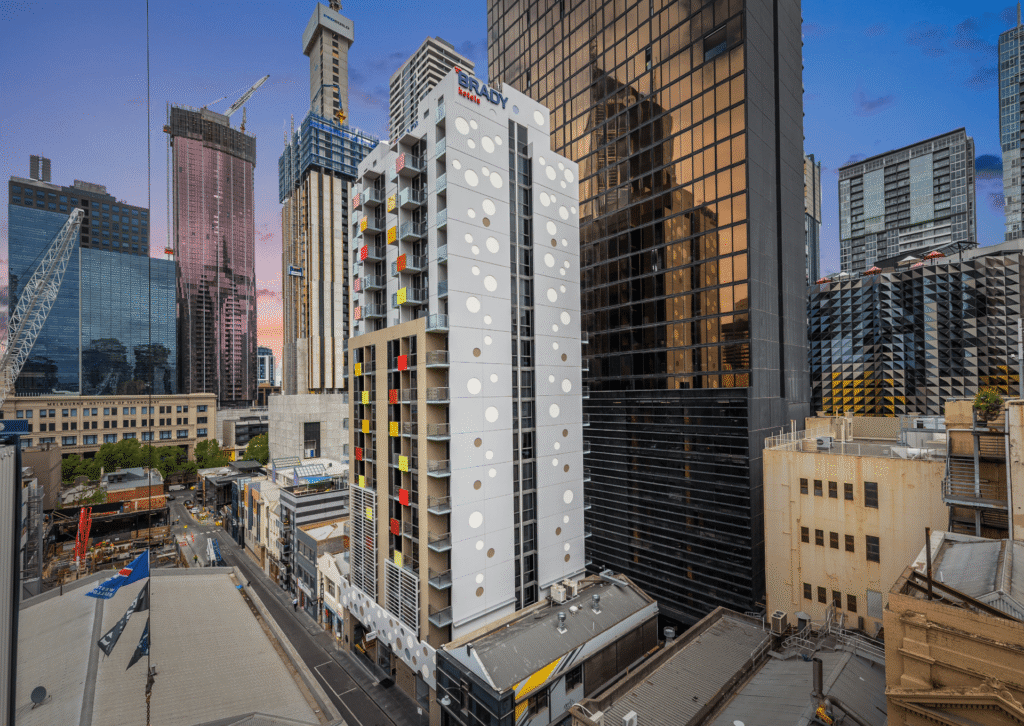
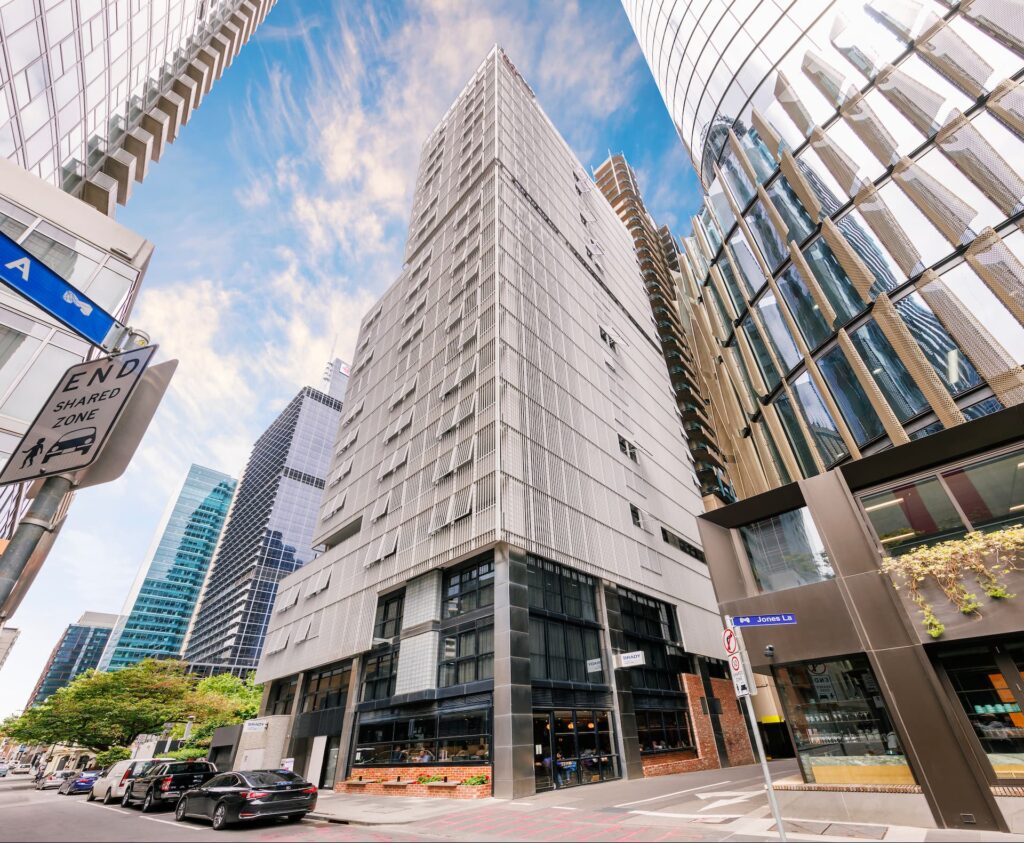
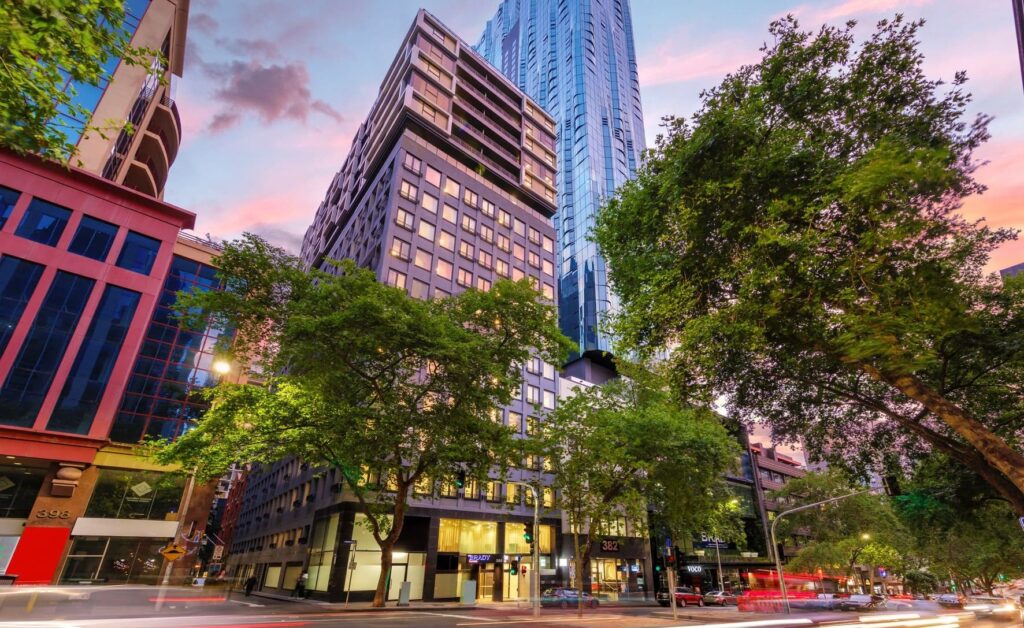
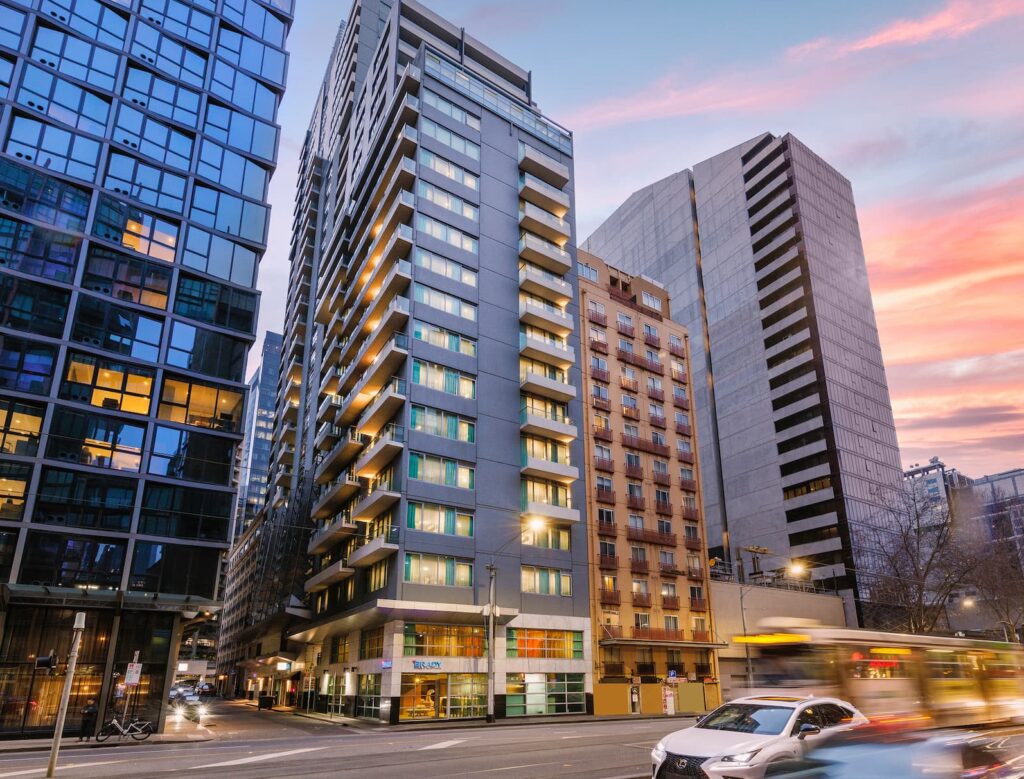
During the 1950s, the factory building was redeveloped, and Zevenboom and Co. Pty Ltd leased each floor to different businesses, including Kay Holidays, Orbis Clothing Co., Robinson Sunglasses, Elektran Ptd. Ltd., and Phillips Shirts. In 1963, Phillips Shirts took over the site, and shirts were produced and sold there until 2015. The building was bought by Brady Group in 2014 with various businesses occupying the premises until it was demolished in 2023 to make way for the 31-storey residential hotel.
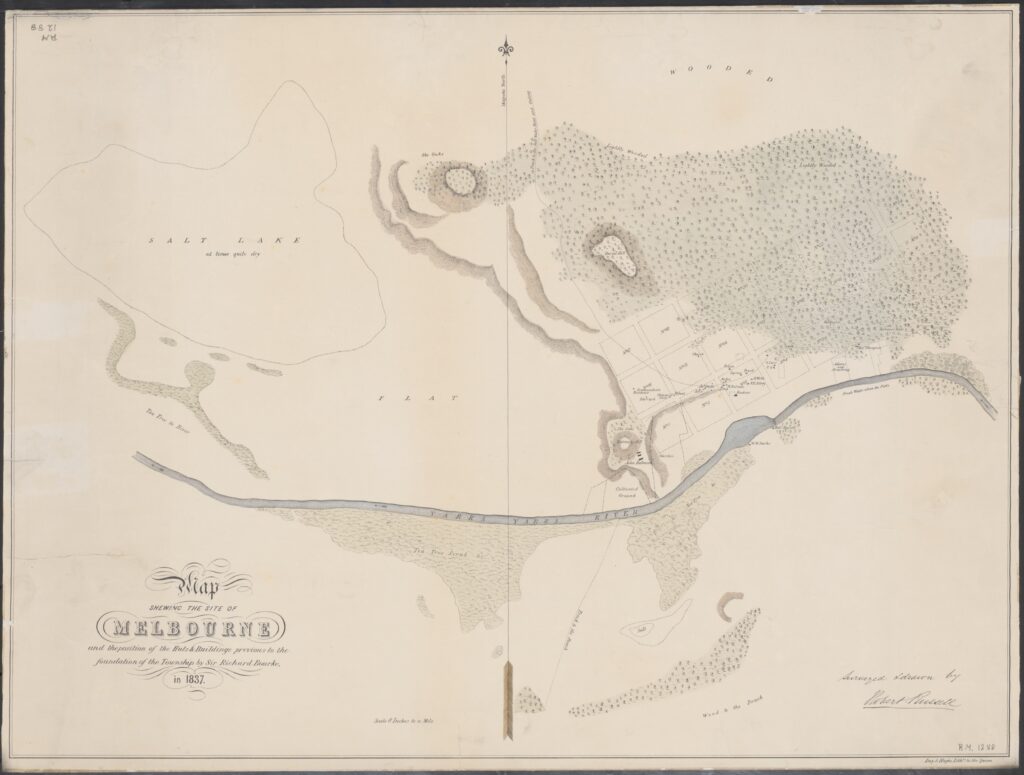
Map by Robert Russell, dated to 1837 showing the site of Melbourne and the position of early huts & buildings along the Yarra River. Image source: National Library of Australia
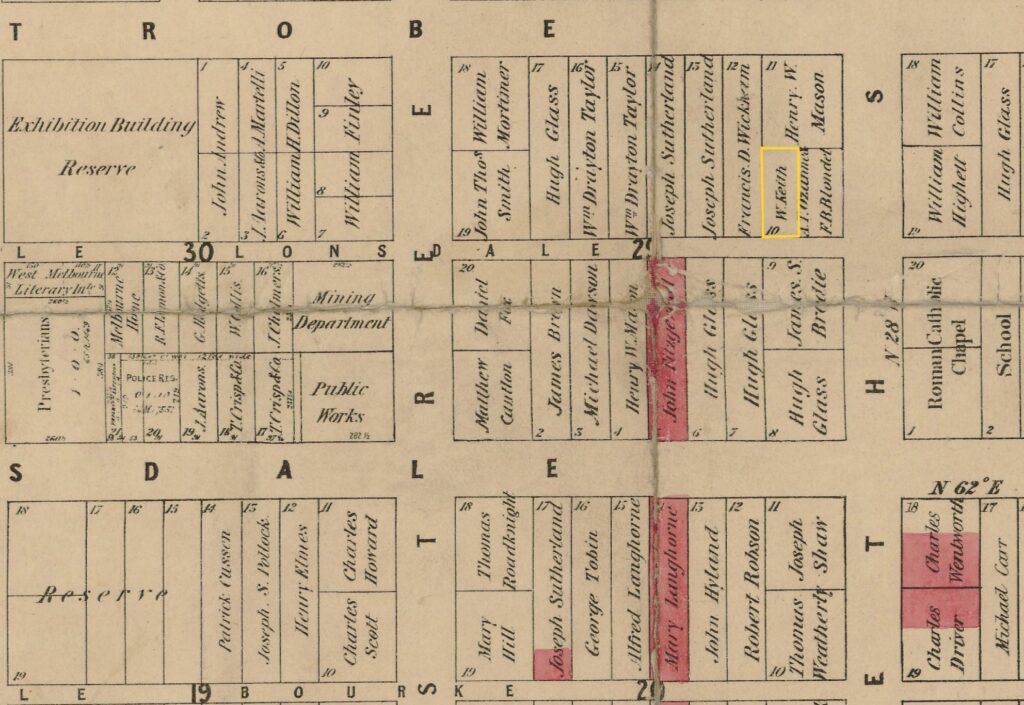
The location of the 274-278 Little Lonsdale Street site within the original land division lot sold in 1847 – lot 10 of section 29, on a plan by Henry Meakin dated to 1882. Image source: State Library of Victoria
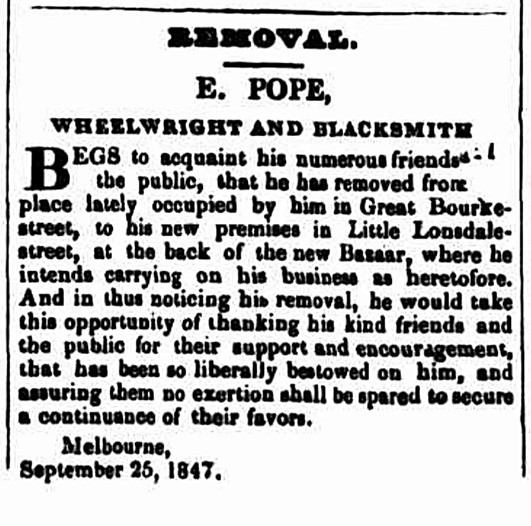
Edward Pope’s notice in the newspaper, announcing his move to Little Lonsdale Street in1847. Image source: The Melbourne Argus, 28th September, page 3
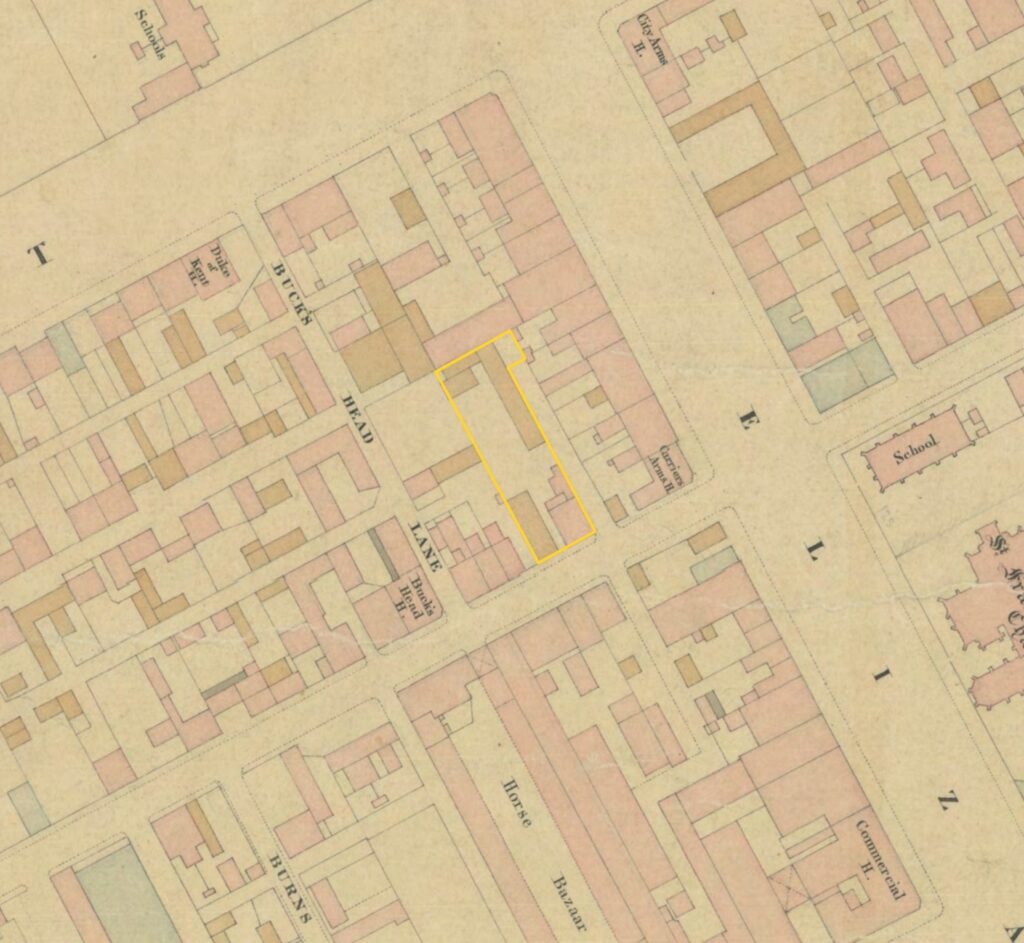
Detail from the Bibbs map of Melbourne dated toc. 1856 with the 274-278 Little Lonsdale Street site marked in red. Image source: Public Record Office Victoria, annotated by Dr Vincent Clark Archaeology & Heritage
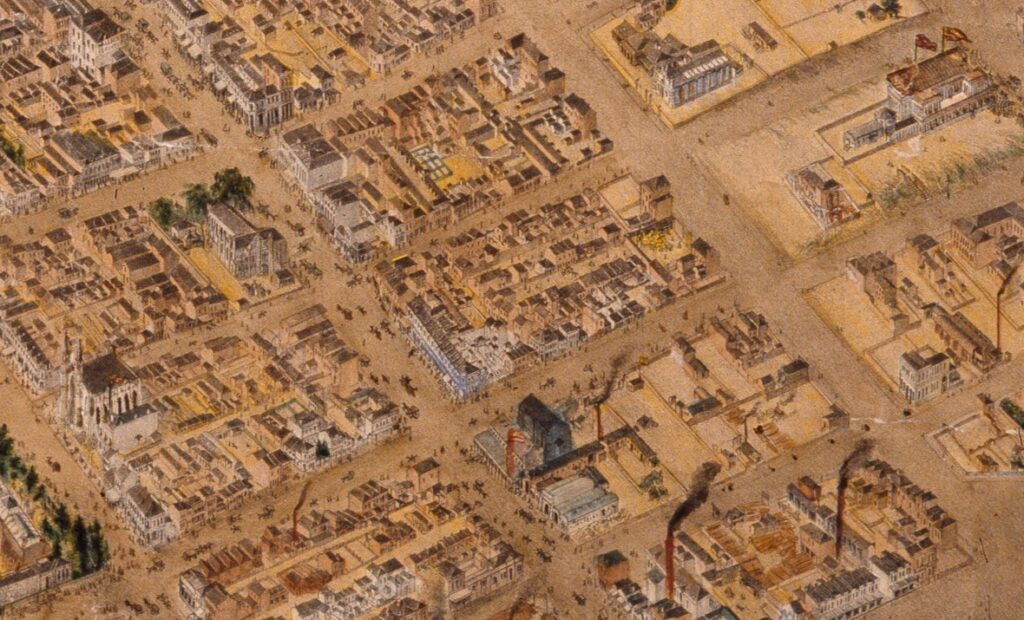
Detail from an 1866 Isometrical plan of Melbourne and the suburbs showing the location of the Pope family home at the 274-278 Little Lonsdale Street site. Image source: Isometrical plan of Melbourne & suburbs, De Gruchy and Leigh, 1866, State Library of Victoria
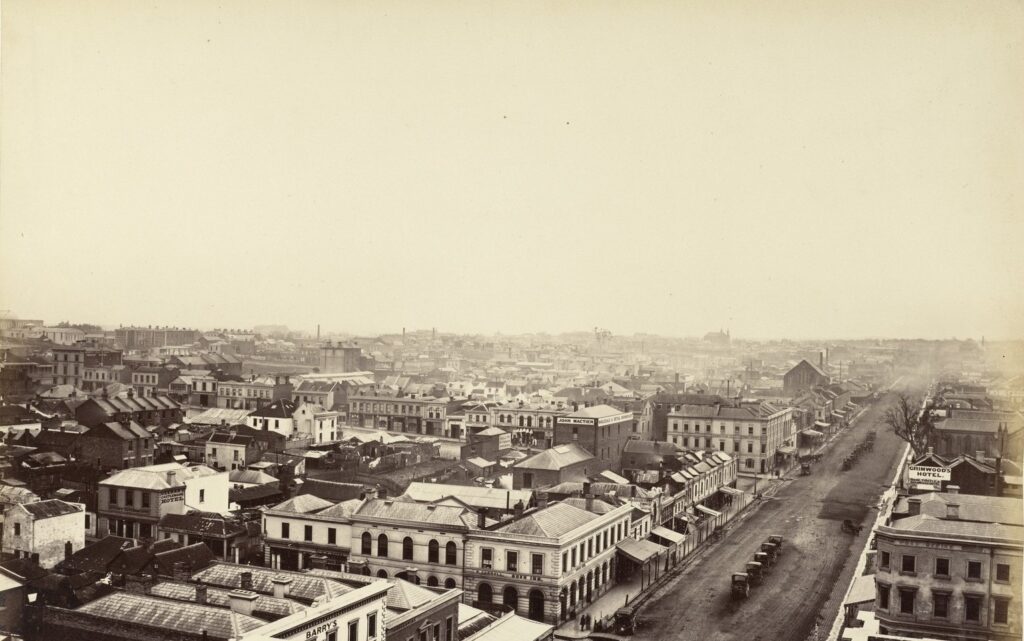
Detail of a photograph taken in 1868 by Charles Nettleton showing Elizabeth Street. Image source: State Library of Victoria
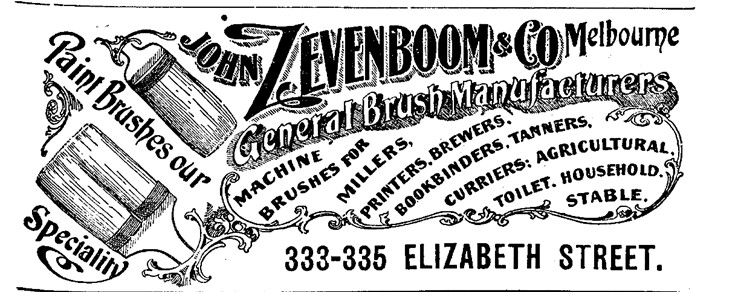
A 1915 advertisement for John Zevenboom & Co in the Sands & McDougall Street Directory. Image source: State Library of Victoria
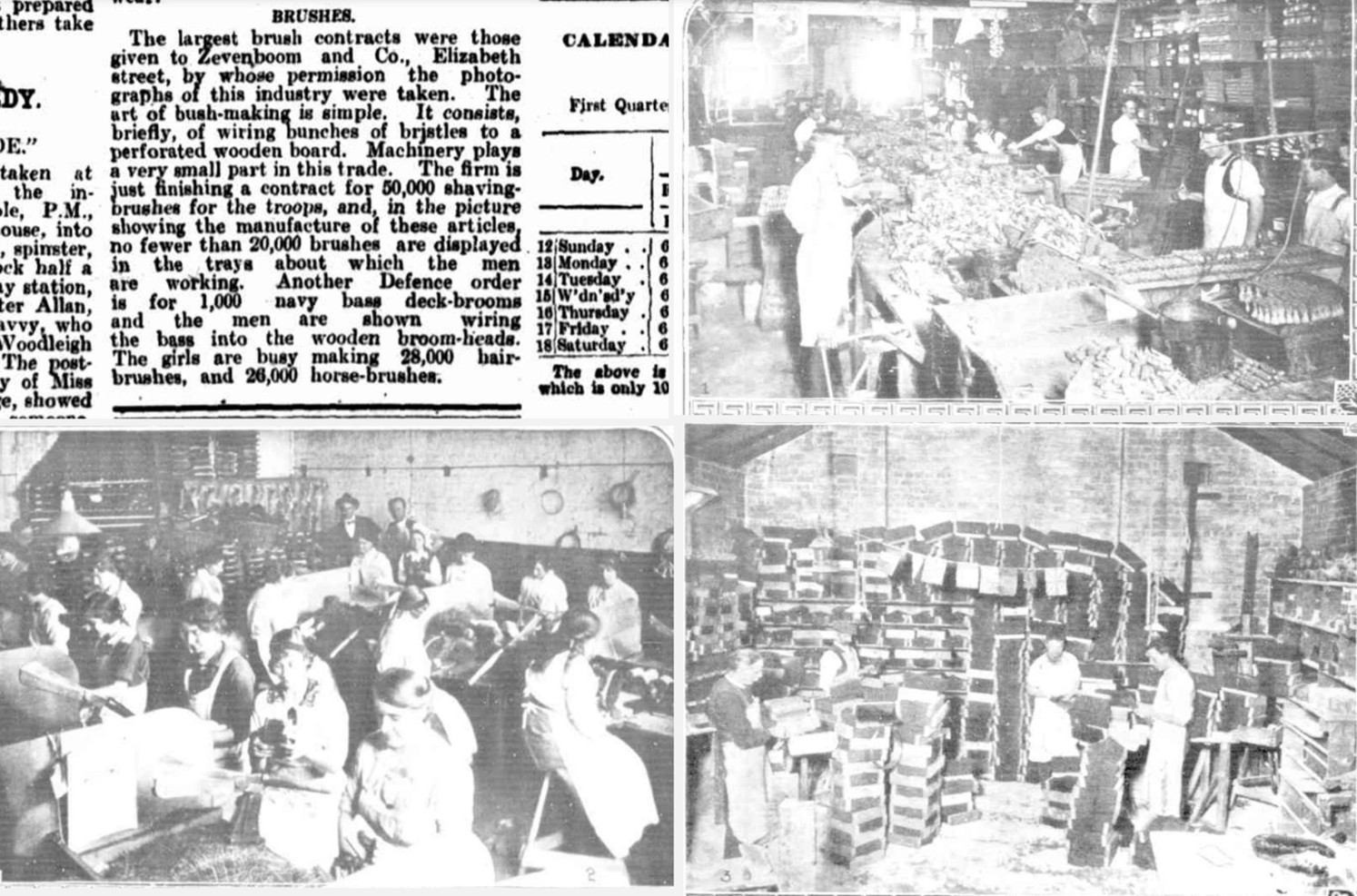
Newspaper excerpts from 1915 reporting ‘The War Effort -Brushes, Zevenboom and Co’. (Above right) “Shaving brushes for the troops”; (Below left) “Making horsehair brushes and horse body brushes”; (Below right) “Making wire drawn navy brooms”. Image source: The Australasian, 11th September 1915, pages 24 and 25