





The Artefacts
Over 15,000 artefacts were excavated from the 274-278 Little Lonsdale Street Site. The artefact assemblage is highly significant and includes a diverse range of objects and several unique items, that enhance our understanding of the site and its significance.
The most artefact-rich deposits were associated with the early historical occupation in 1847, followed by the residential occupation of the two-storey stone-and-brick house constructed in 1855.
The collection from these deposits includes well-preserved organic items, such as woven textiles, fragments of horsehair upholstery, and remains of animal bones that show signs of home butchery. Additionally, personal belongings such as the remnants of shoes for both adults and children, clay smoking pipes, and children’s toys. Domestic items include ceramic tea and tableware and glass alcohol bottles. Items related to metalworking, leatherworking, and the keeping of agricultural animals include leather hides and scraps, lengths of knotted rope and the potential remnants of a blacksmith’s bellows.
Collectively, these artefacts provide a material record of early occupation associated with colonisation, and the establishment and growth of Melbourne. They reflect the daily lives and activities undertaken by the site’s inhabitants, offering insights into their eating habits, leisure activities, work, and possible cultural values over time, as well as how identity and social or economic status were shown, and how families were raised. 25 | P a g e
Artefacts associated with the later phases of occupation after the demolition of the forge in 1877, were also found. Although these artefacts were mostly very fragmented, items such as brush bristles evidence the Zevenboom Company’s operations. Additionally, materials from the demolition of the stone and brick residence in 1935, and subsequent factory occupation, include a large quantity of plastic buttons, reflecting the 20th century occupation of the site by the Phillips shirt factory.
The artefact assemblage is now included in the Heritage Victoria Collection.
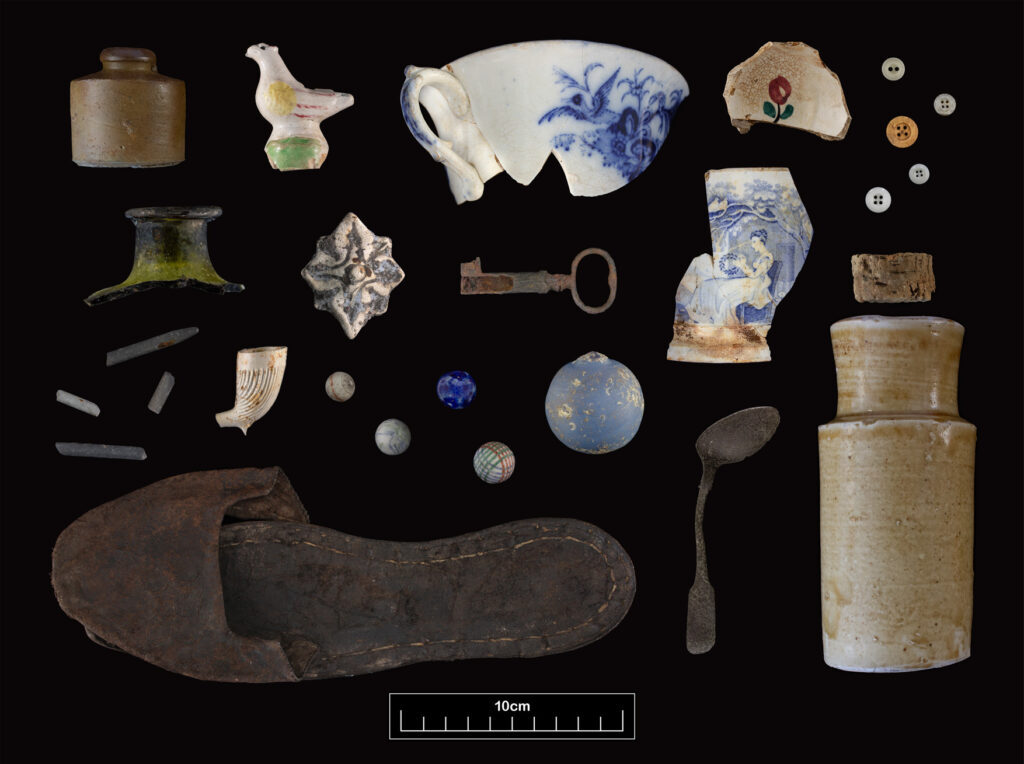
A Selection of the excavated artefacts. (Left to right, top to bottom): a penny inkwell, a toy bird whistle, teacups, buttons, a bottle finish, a plaster moulding, a key, a mug, slate pencils, a clay smoking pipe bowl, marbles, a witching ball or handmade tom bowler marble, a blacking bottle with a cork stopper, a teaspoon, and the remains of an adult shoe.
Artefacts associated with early colonial occupation:
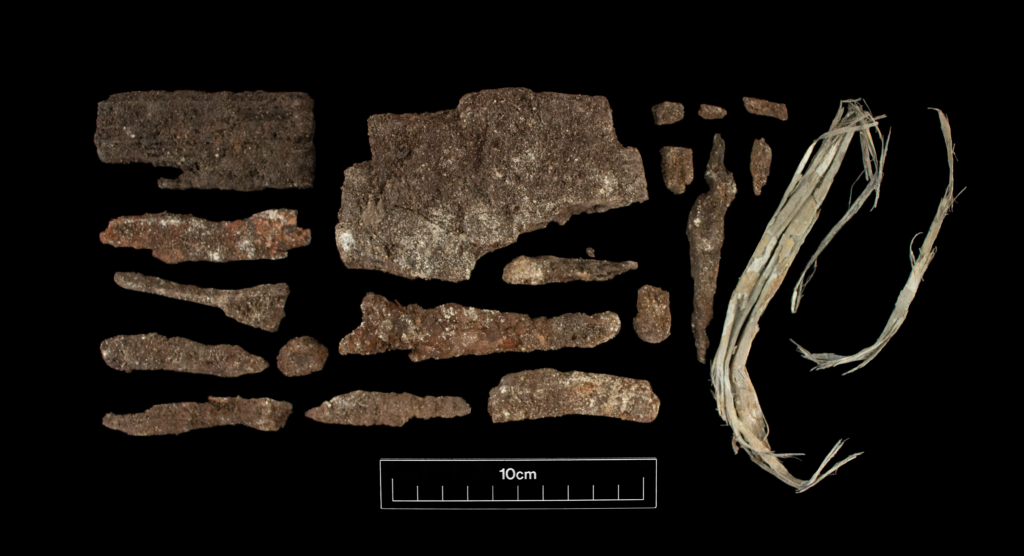
Timber and bark offcuts and fragments. The pieces pictured are a sample of the excavated remains of the early ‘wattle and daub’ or ‘slab’ style hut . These remains formed a dense wood-and-timber deposit, and were found alongside the remains of building stumps, and a yard surface.
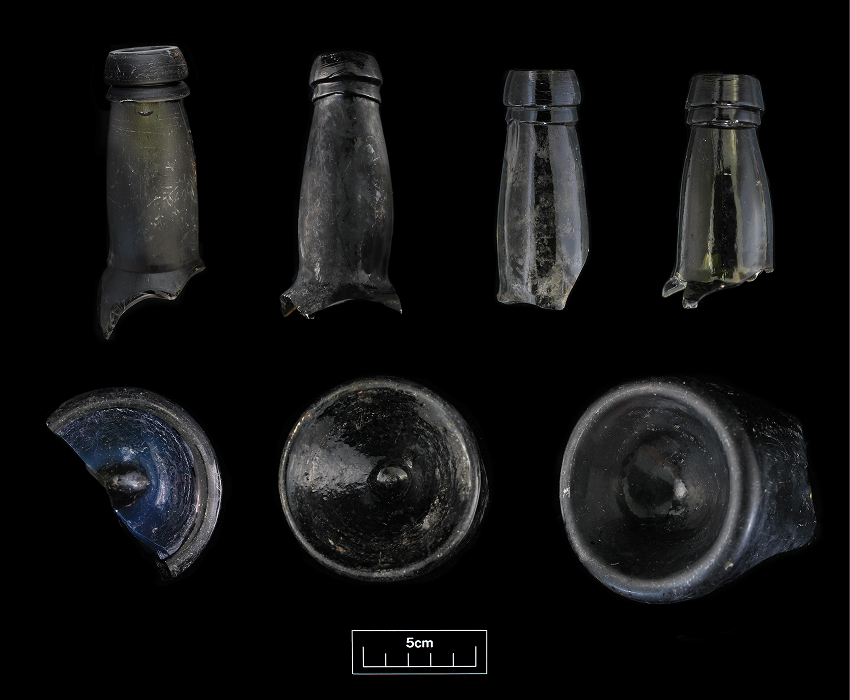
Fragments of glass alcohol bottles. These bottles were manufactured by hand, using glass blowing techniques that include ‘push up’ tools for the bottle base and a hand applied rim for the bottle finish. These techniques date the bottles to between 1820 and 1870 and typically contained ale such as porter or stout.
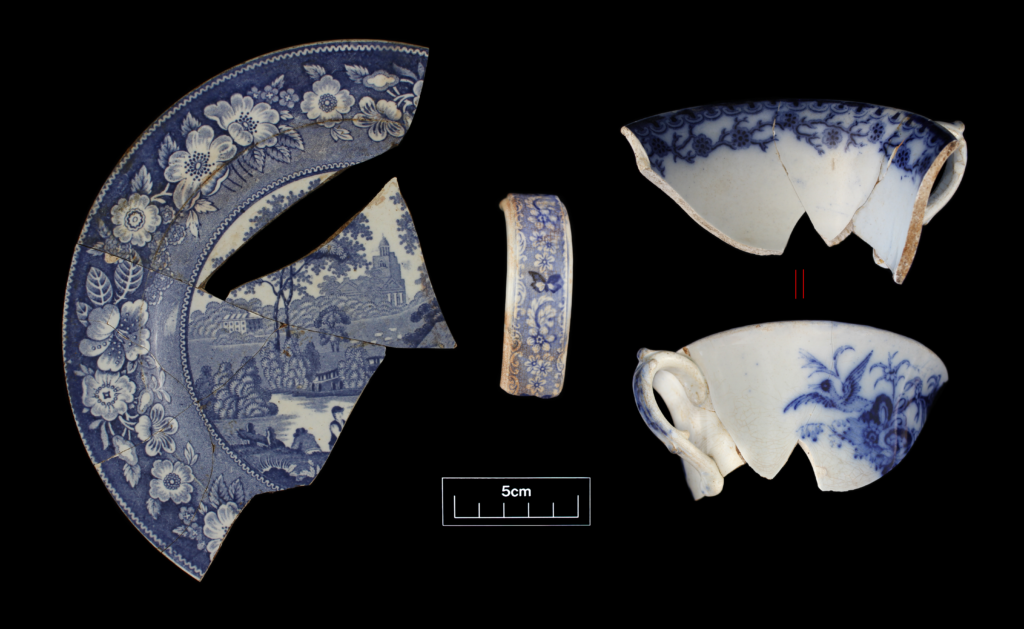
Ceramic tableware. These artefacts include conjoining plate fragments transfer printed in the ‘Wild Rose’ pattern, a transfer printed jug handle, and conjoining teacup fragments. The Wild Rose pattern was particularly popular in the early to mid-19th century and was manufactured by several different factories. The pattern features a scenic depiction of Nuneham Courtenay- a village close to the east bank of the River Thames, surrounded by a distinct floral border of wild roses.
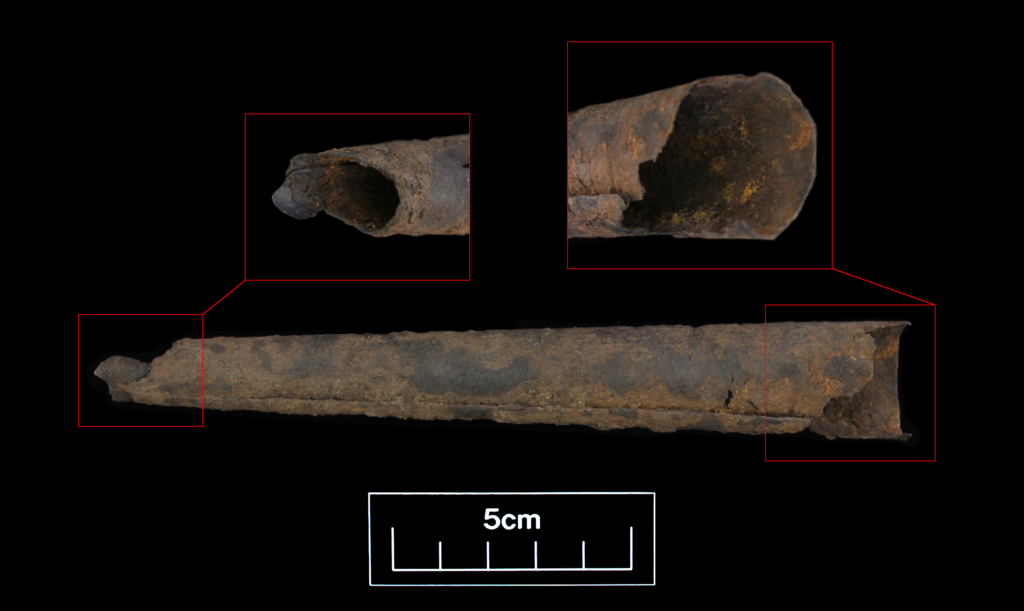
A hand made iron nozzle. Bellows were an essential tool for the 19th century blacksmith as they pumped air into the forge, creating the high temperatures necessary to heat iron and steel for forging, welding, or shaping. The body of a blacksmiths bellows was typically made from two or three timber boards, joined by leather side panels to create air chambers, while the nozzle was manufactured from tapered iron or brass. Based on the size and shape of this nozzle, it seems plausible that this artefact is the remains of a blacksmith’s bellows used on site.
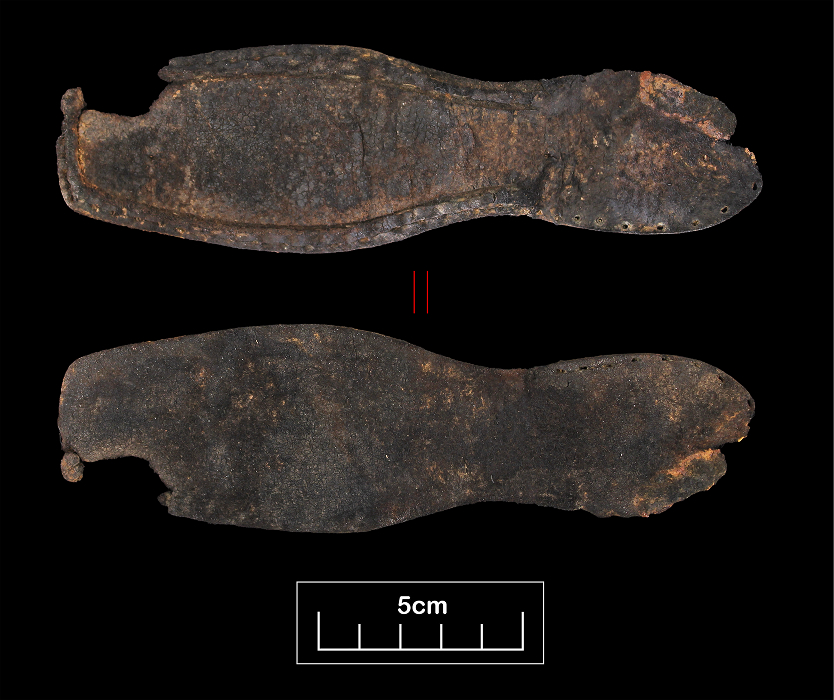
A child’s leather shoe sole. This tiny shoe sole has evidence for hand stitching and tacking suggesting it predates 1860. Based on the size of the shoe it likely belonged to a three-year-old child.
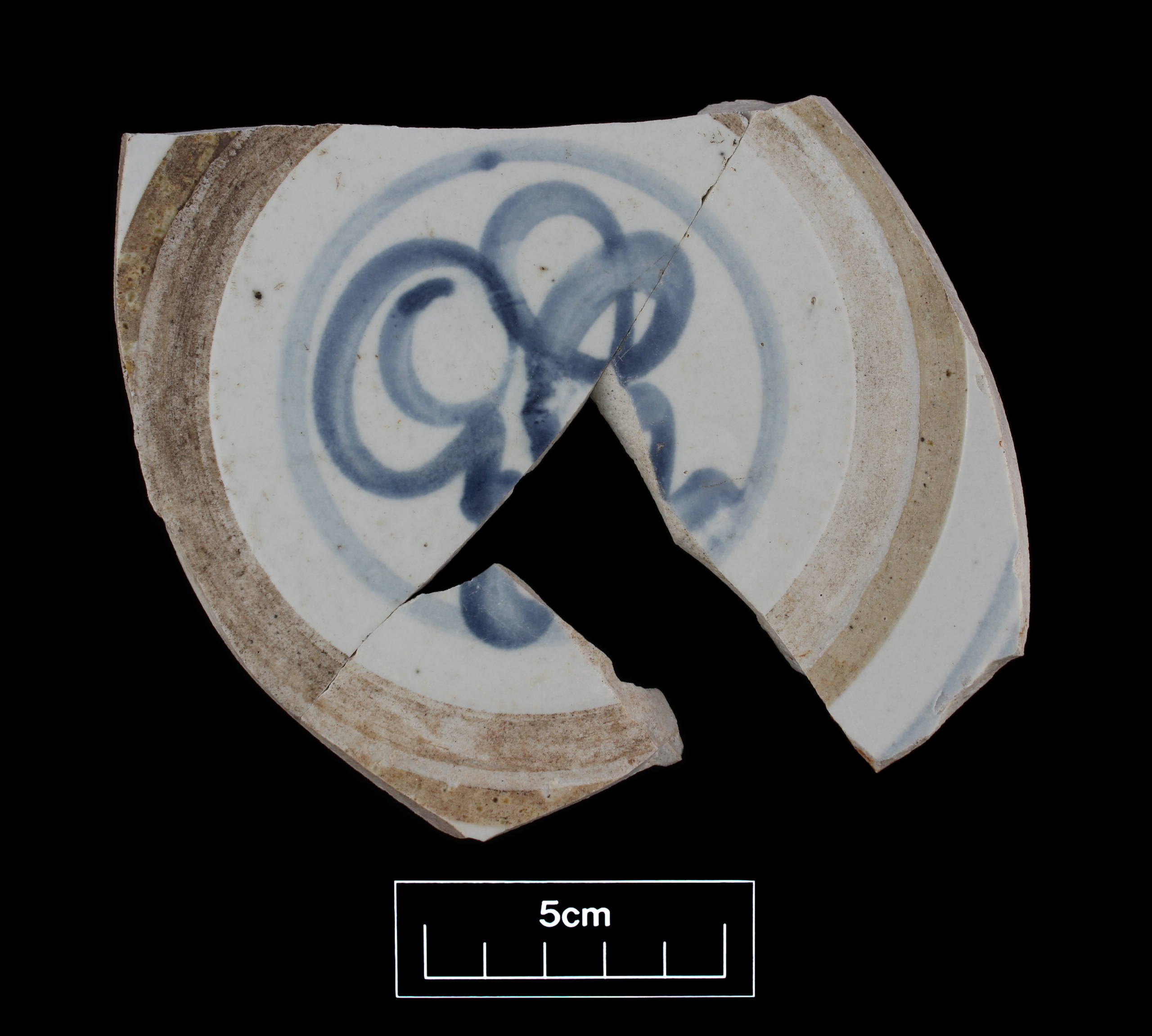
The base portion of a shallow Chinese bowl. This bowl features blue underglaze brushwork depicting a ‘devolved’ motif or character. The unglazed band is a manufacturing method that allows multiple vessels to be stacked in a kiln without the glaze sticking. This type of bowl was commonly used by the overseas Chinese population in Australia, rather than being an export item created specifically for a non-Chinese market. It may indicate Chinese presence in Victoria before the gold rush or demonstrate material intercultural exchange.
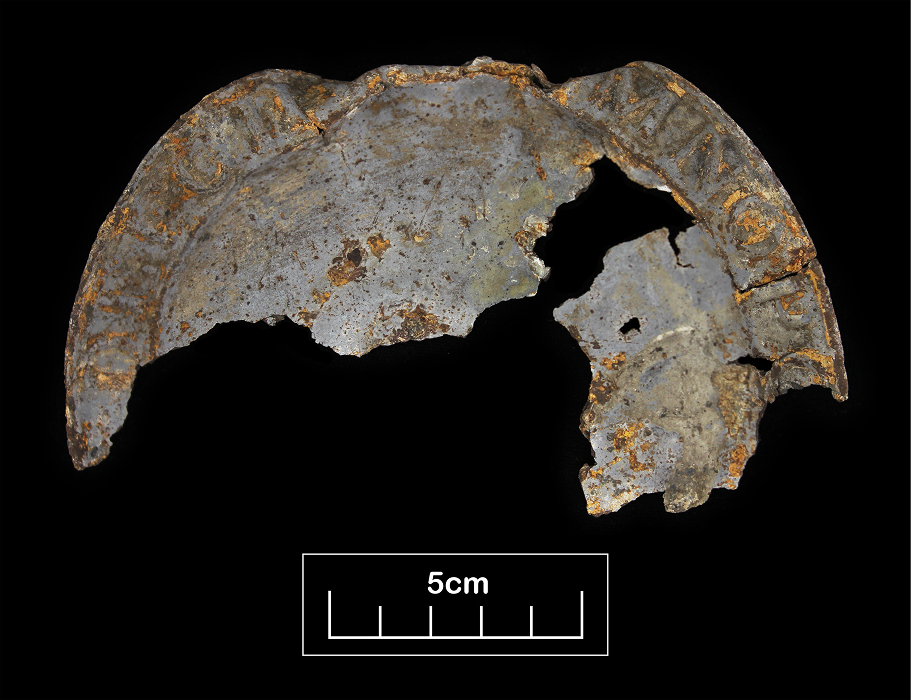
A child’s metal plate. Featuring the alphabet in repousse around the edge, this plate reflects an investment in children’s literacy and education from a young age. Although educational tableware for children was common in the 19th century—peaking in popularity and production between c.1830 and c.1860 —most items were made of ceramic. Metal educational tableware is more unusual, possibly indicating that the adult buyer- perhaps a blacksmith, preferred this material.
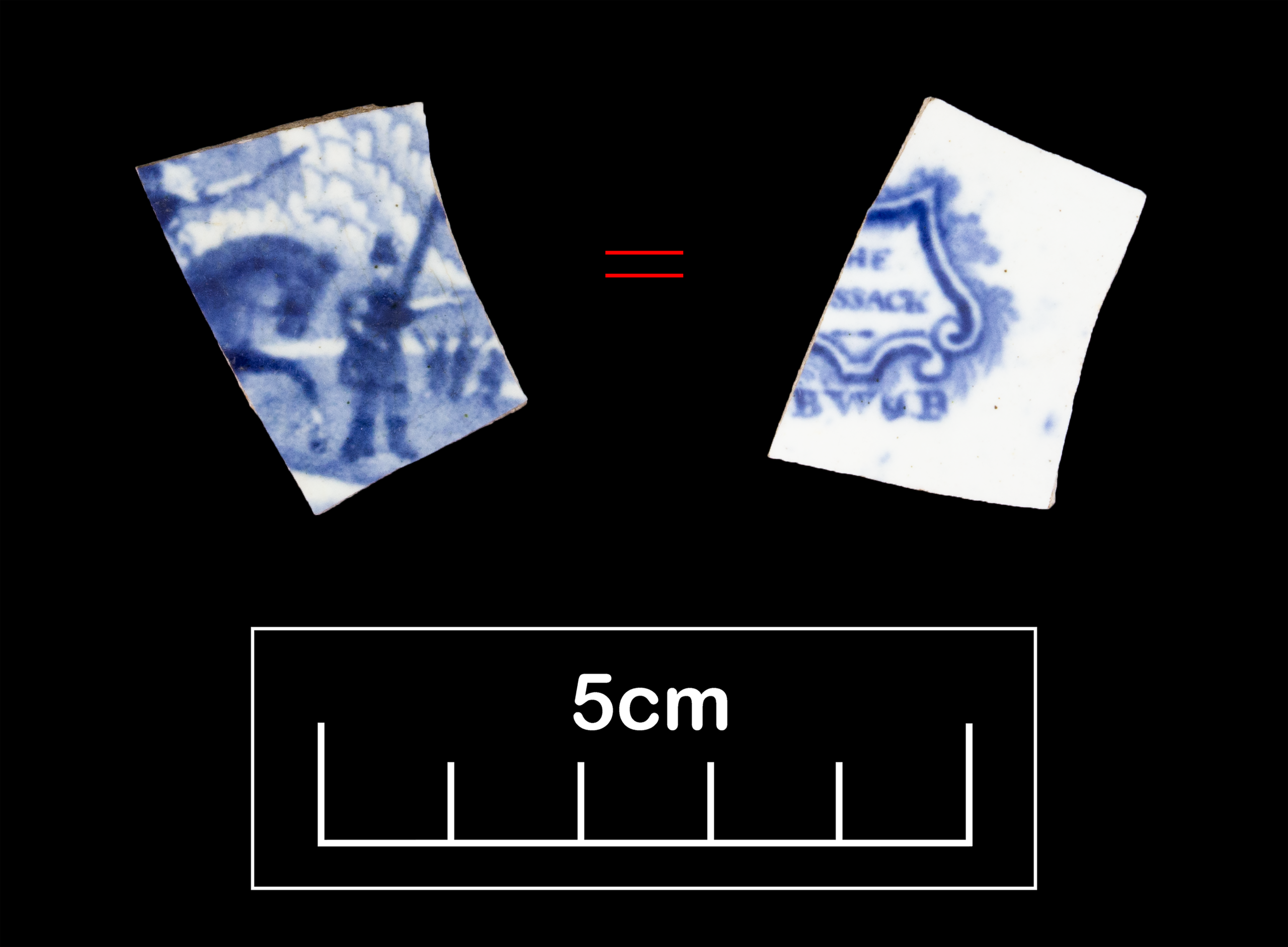
A transfer printed ceramic fragment. Based on the mark, this fragment can be attributed to Batkin, Walker & Broadhurst, of Staffordshire Potteries and was made between 1840 and 1845.
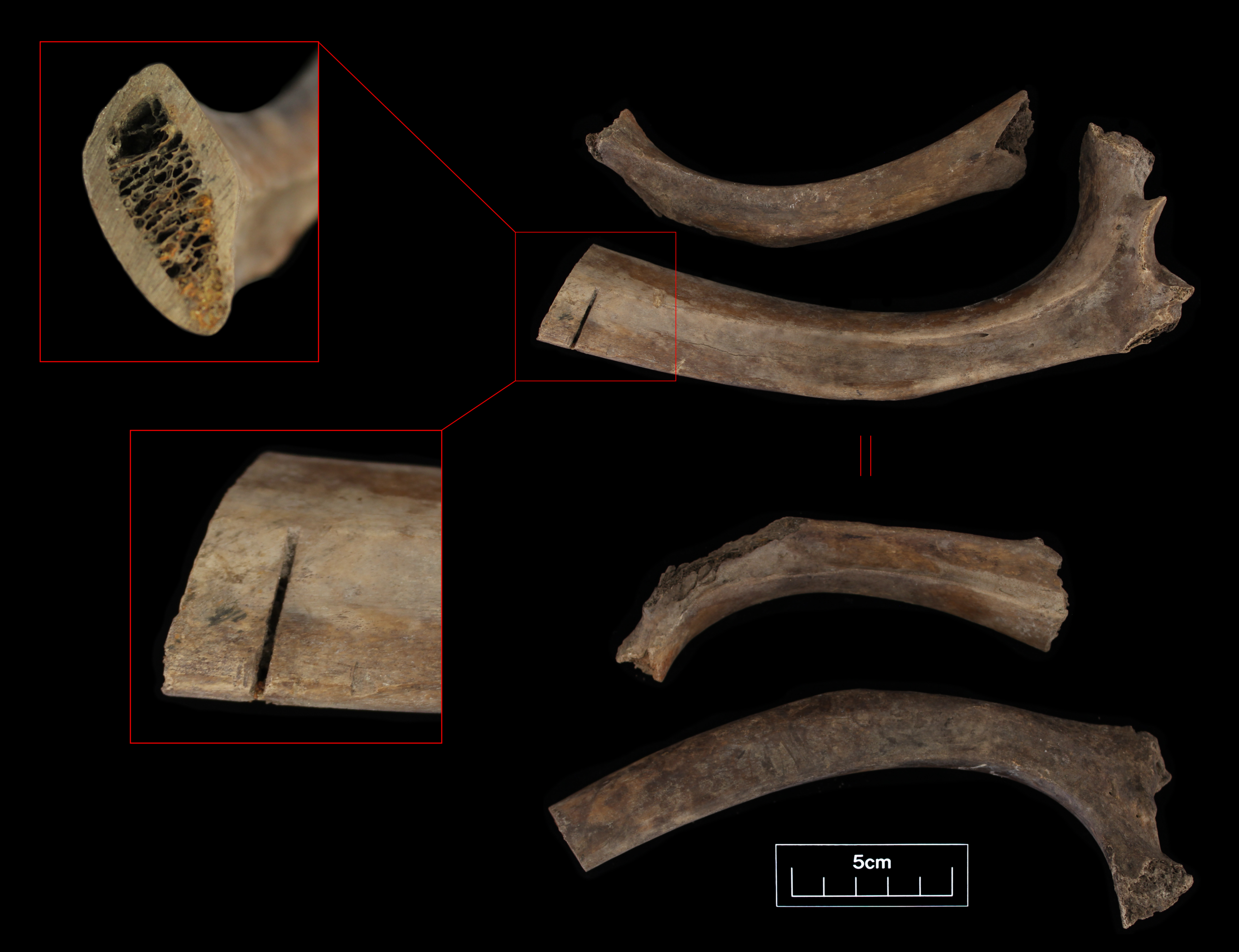
Cow ribs with evidence of home butchery. The hack marks on these bones indicate they were butchered on site by an individual without the expertise or the equipment of a professional butcher. Domestic butchery has been associated with women using cookbooks for guidance during the 19th century, and it’s plausible that these marks signify the portioning of meat by Elizabeth, the wife of Edward Pope, whose immigration records also identify her as a ‘cook’. Beef dishes prepared may have encompassed beef shanks, beef ribs, and beef hock.
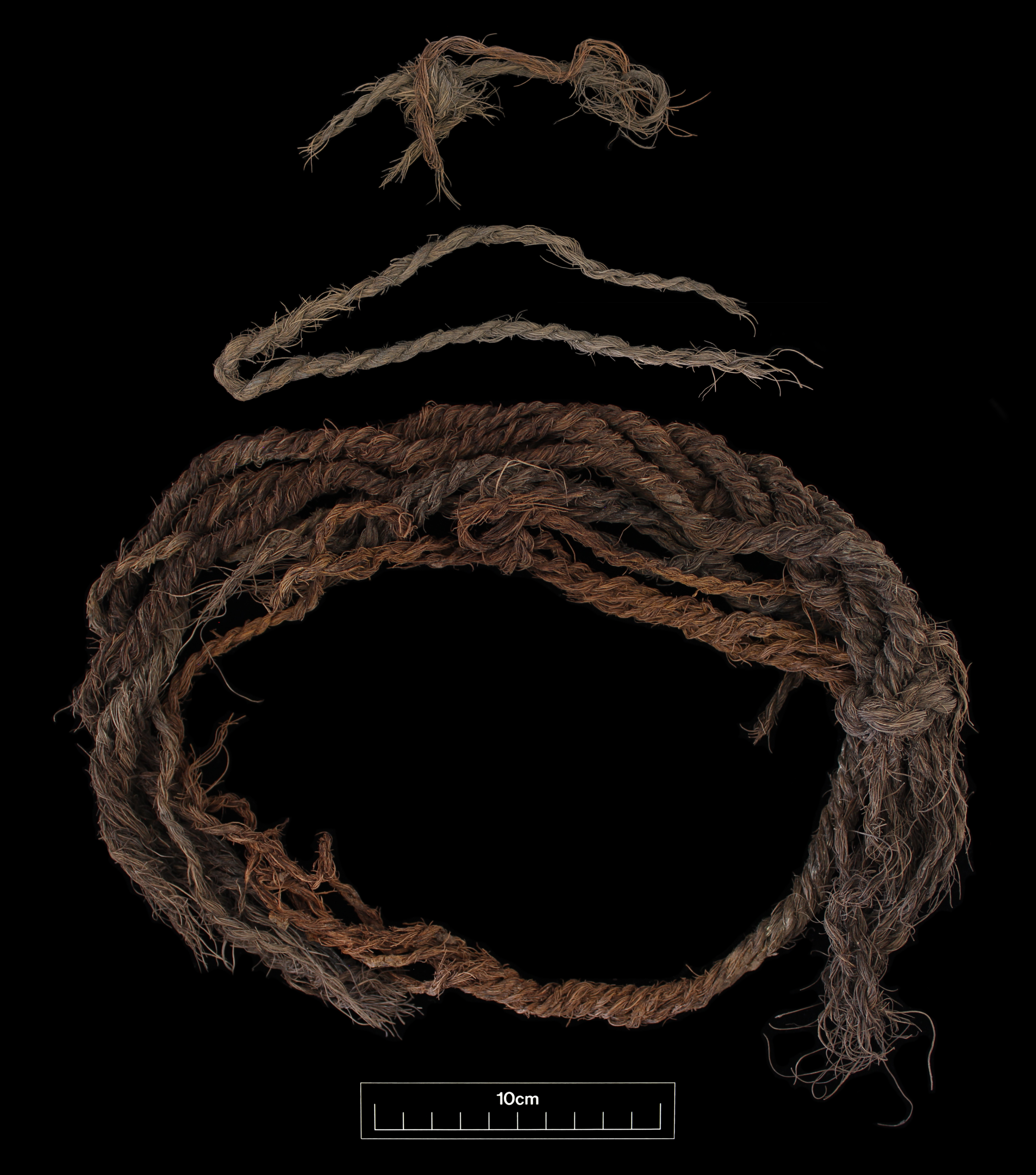
Lengths of rope. Several well-preserved lengths of rope were excavated. While the exact purpose of the rope remains unclear, it is probable that it had multiple uses and may have been linked to the management of animals, including horses. The looped and knotted structure of the rope pictured, encapsulates the human actions of coiling and knotting, serving as a distinct reminder of historical activity.
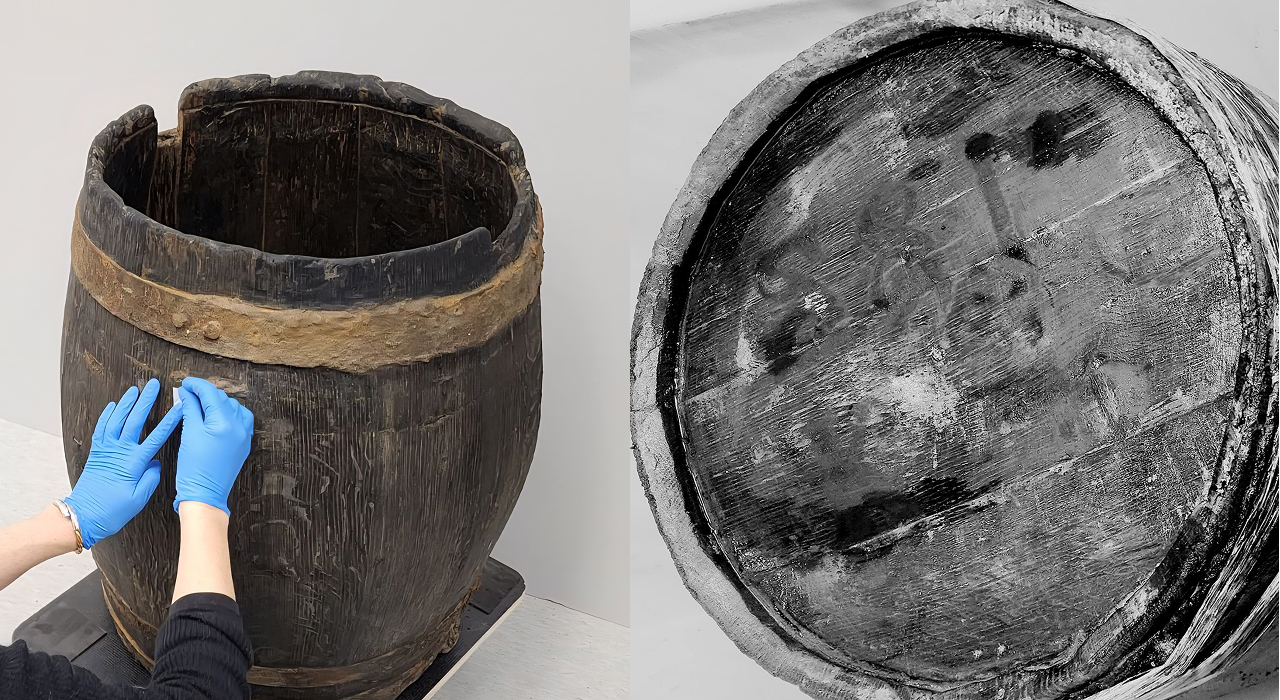
The timber barrel during conservation treatment. The barrel was constructed from North American White oak — Quercus spp. (true oak) and featured hand-forged iron hoops. It is categorized as a ‘liquid tight’ cask, which would have been used for storing or transporting liquids rather than dry goods. As the barrel is a unique item linked to the early colonial site occupation, it is a highly significant artefact and needed conservation treatment to ensure its material stability. During conservation, it was discovered that the interior of the barrel had been charred, indicating it may have previously held whiskey, rum, or brandy imported from America. Additionally, the letters S & P were stencilled on the barrel’s head likely serving as an inspection or grading mark applied by the cooper, inspector, or shipper. Image source: Grimwade Conservation Services, The University of Melbourne, 2025.
Artefacts associated with the cottage built in 1855
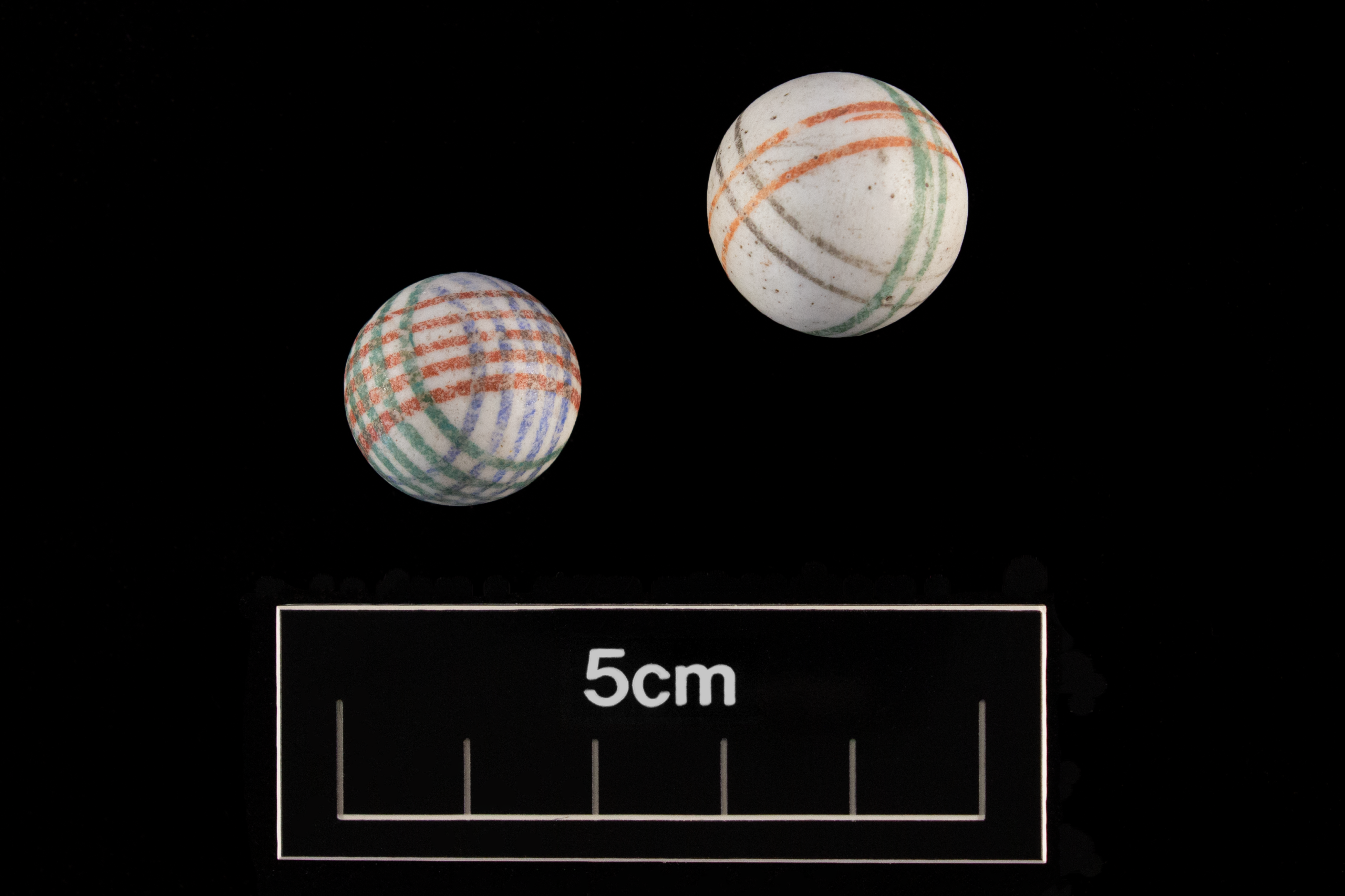
Toy marbles. Manufactured from porcelain, these types of marbles were made in Germany between 1850 and 1890 and decorated with a variety of painted designs, such as the intersecting bands pictured.
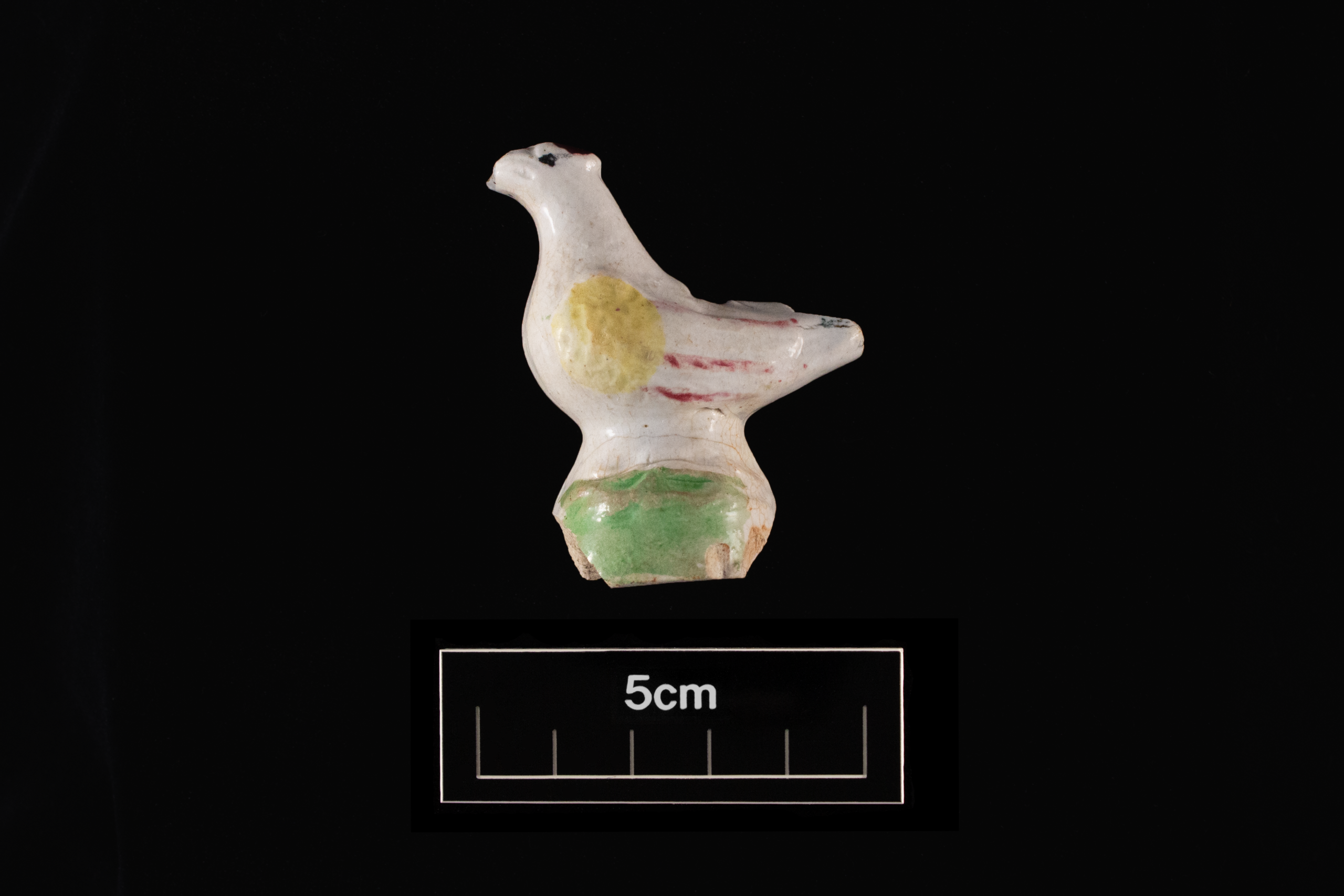
A child’s toy whistle. Underglaze painted and shaped in the form of a bird, this whistle would have been made from earthenware, using a two – piece mould, and the hollow body of the whistle would be filled with water to produce a warbling birdlike twitter when used. Bird whistles were popular children’s toys primarily manufactured in the Staffordshire potteries of England between the 1820’s and 1860’s.
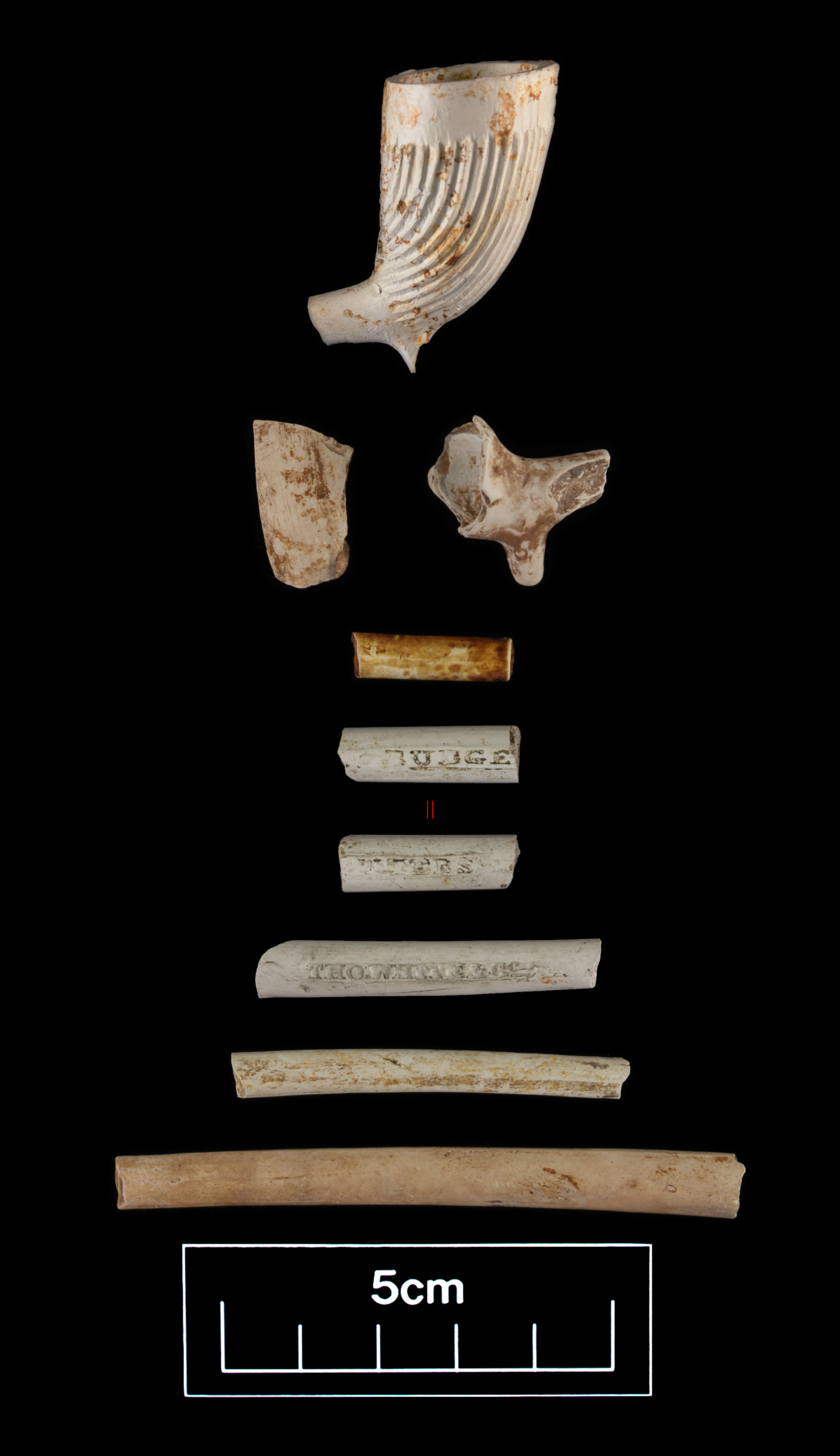
Fragments of clay smoking pipes. Clay tobacco pipes are common on Victorian archaeological sites. They are often stamped by the maker or have decorative themes and figures that could be used as a way of the smoker expressing political ideologies. The stem fragment of one of these pipes bears an impression of letters that supports its identification as a ‘Squatters Budgeree’ tobacco pipe. This style of pipe was produced between approximately 1850 and the mid-1860s and was specifically crafted for the Australian colonial market. It has been suggested that this type of pipe symbolically endorsed the interests of the squatting class in opposition to governmental support for Aboriginal rights at the time. If so, this pipe may reflect an occupant’s beliefs in relation to political, social and economic frameworks and who saw themselves as an early settler, akin to the squatter.
Artefacts associated with the late 19th and early 20th century factory occupation
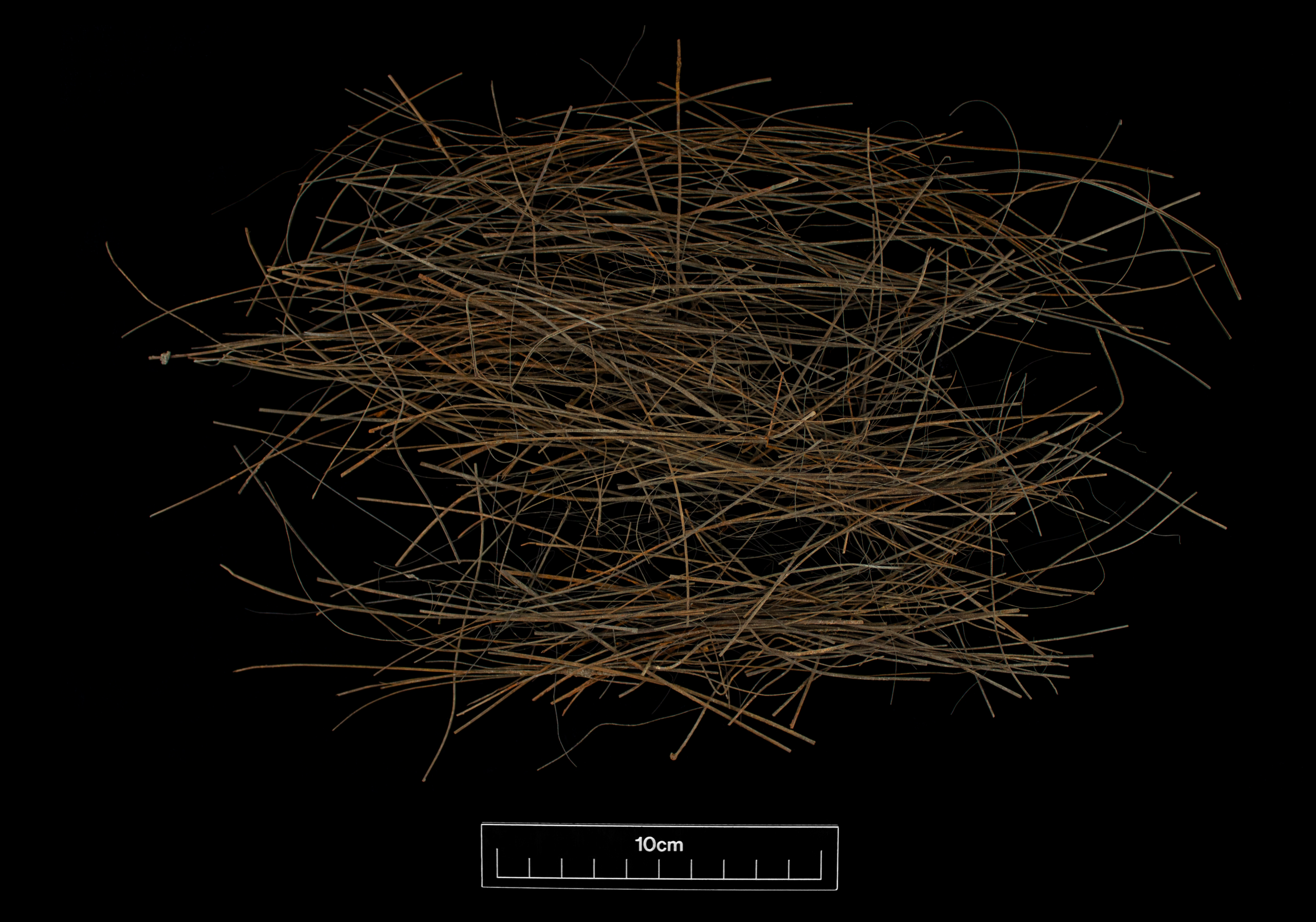
Brush bristles. Although few artefacts associated with the Zevenboom brush factory survived in the archaeological record, brush bristles made from a variety of materials were identified across the site. The sample pictured appears to be made from a plant fibre such as millet or a variety of sorghum, commonly referred to as ‘broomcorn’.
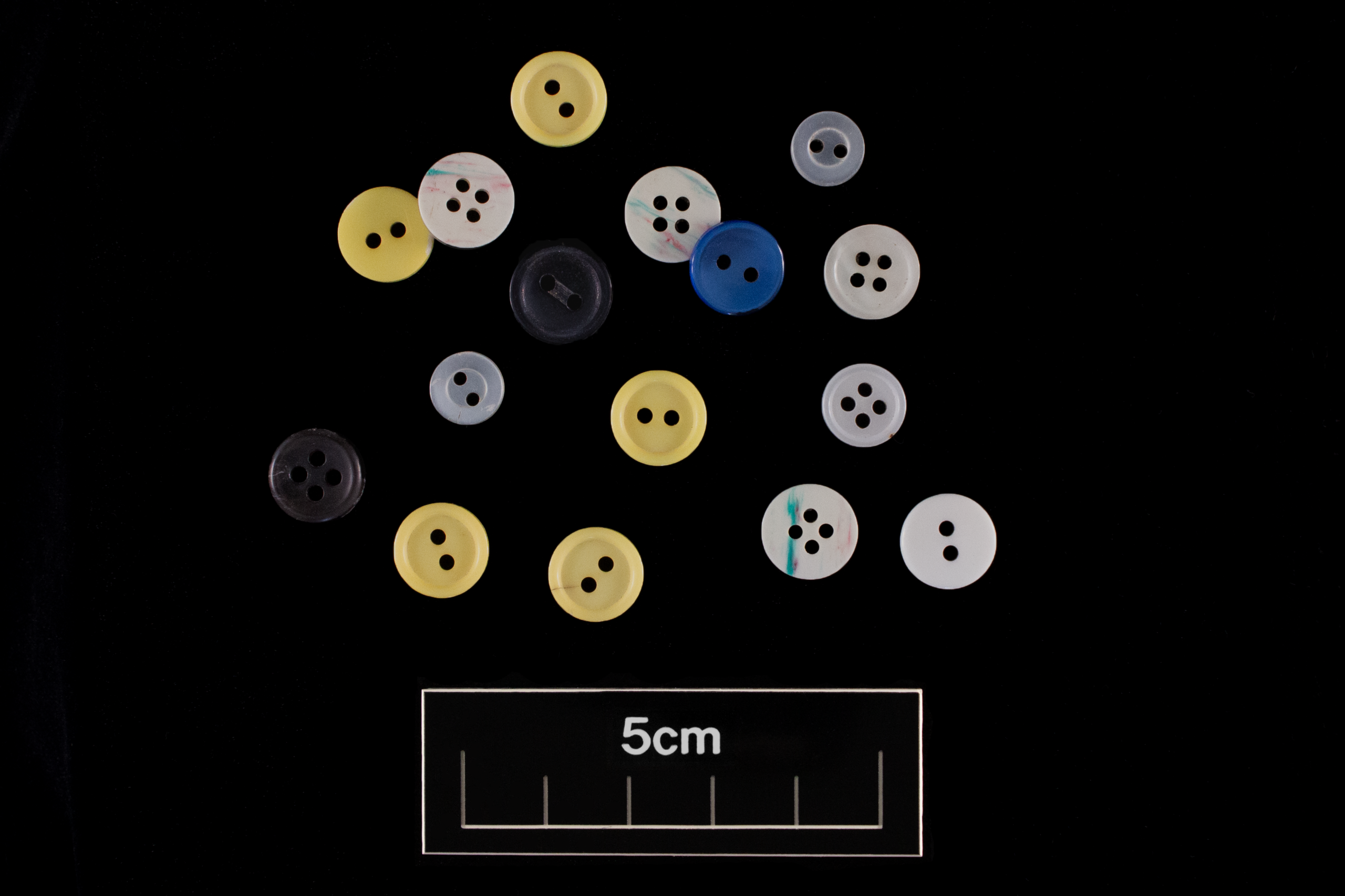
Plastic buttons. Although celluloid was first developed in 1869, these buttons are machine made plastic and likely post-date 1950. The large quantity of these buttons and archaeological deposit they were excavated from, suggest they are associated with the occupation of the site by the Phillips Shirts factory.